The sporting question we should be asking
When people discuss the future of sport in India and Australia, the conversation usually turns to major events, professional leagues, medals, cricket, football, infrastructure and investment.
Those subjects matter. But there is a more fundamental question:
Are we developing the people, knowledge and support systems that make a successful sporting nation possible?
Consider the journey of a young person who first encounters sport at school. Their experience may depend on whether the school has a qualified physical education teacher, whether girls have equal access to facilities, whether children with disability can participate, whether coaches understand age-appropriate training and whether an injury is recognised before it becomes a long-term problem.
For a talented athlete, the questions become more complex. Who monitors their physical development? Who notices signs of burnout? Who supports them through injury, selection pressure or the end of their sporting career? Is mental health treated as seriously as physical conditioning?
These are not secondary issues. They are part of the foundation of a healthy and sustainable sporting ecosystem.
Recent evidence from both countries provides a compelling reason to look more closely.
1. The physical education gap begins much earlier than elite sport
One of the most important findings from India is contained in the 2022 India Report Card on Physical Activity for Children and Adolescents, published in the Journal of Exercise Science & Fitness.
The research team assessed 11 indicators of active living, including overall physical activity, organised sport, active play, sedentary behaviour, physical fitness, school environments and government strategies.
India received:
- C for overall physical activity.
- C for schools.
- D- for sedentary behaviour.
- D for community and built environments.
- D- for yoga.
- Incomplete for organised sport participation, active play, family and peer support, and physical fitness because the evidence was insufficient.
The incomplete ratings are particularly important. They do not mean that children are not participating in sport. They mean the available evidence was not sufficient to assign a reliable national assessment for those indicators.
The report also found that, in one study of adolescents across 27 Indian states, 64.3% reported doing physical activity at school, averaging just 16.1 minutes per day.
A separate study in Chennai using accelerometers found that adolescents accumulated an average of 25.8 minutes of moderate-to-vigorous physical activity daily. These are different studies with different methods, but both raise questions about the amount of meaningful movement young people achieve during the school day.
There is another striking finding from the World Health Organization's 2022 Global School-based Student Health Survey for Jaipur.
Among students aged 13–17:
- 80.8% did not achieve at least 60 minutes of physical activity per day during the seven days before the survey.
- The figure was 84.4% among girls and 77.9% among boys.
- 59.2% reported not attending physical education class each week during the school year.
The survey included 4,299 students and had an overall response rate of 82%. However, it represents students in Jaipur, not every school student in India. It should be understood as a local warning signal, not a national prevalence estimate.
World Health Organization+1
The question for educators: If physical education is part of a school's curriculum, does that automatically mean children are receiving enough quality physical activity?
Clearly, the answer is no.
A timetable entry is not the same as a meaningful physical education programme. The quality of instruction, the time available, access to safe facilities, the range of activities and the ability to include different abilities all matter.
2. Australia has a similar challenge, despite its strong sporting culture
Australia has a reputation for participation in sport and outdoor activity. Its sporting culture is visible at schools, clubs, community facilities and professional competitions.
But participation in a sporting nation does not automatically mean children are sufficiently active.
The Australian Bureau of Statistics released findings from the 2023 National Nutrition and Physical Activity Survey in June 2026.
It found that:
- Only 18% of children aged 5–17 met the recommended physical activity level.
- 68% of children aged 2–5 met the activity recommendation for their age group.
- 60% of children aged 5–17 used screen-based devices in the hour before going to bed.
For school-aged children, the Australian 24-Hour Movement Guidelines recommend at least 60 minutes of moderate-to-vigorous physical activity each day, alongside muscle- and bone-strengthening activities on at least three days per week.
Australian Bureau of Statistics
The 18% finding is particularly significant. It means that even in a country with a well-established community sport system, the majority of children aged 5–17 are not meeting the daily physical activity recommendation.
This should challenge a common assumption: a strong professional sporting culture does not necessarily translate into a sufficiently active population.
There is a difference between watching sport, participating in organised sport and achieving the daily movement required for good health.
India and Australia have different school systems, population structures, facilities and survey methodologies. Their figures should not be treated as a direct competition. But they point to a shared question: how can schools and communities make physical activity a normal part of everyday life rather than an occasional sporting activity?
3. UNESCO has produced an important new piece of evidence for India
One of the most interesting developments is the launch of the Sport and Physical Activity (SAPA) Impact Framework for India in March 2026.
UNESCO developed the initiative with the Sports and Society Accelerator, Victoria University in Melbourne and the Kalinga Institute of Social Sciences.
The framework was developed with the participation of more than 2,000 learners from eight Indian states. It considers four dimensions of impact:
- Health and wellbeing.
- Education and lifelong learning.
- Livelihoods and economic growth.
- Equality and social inclusion.
Among the reported findings:
93%
said sport helped them set and achieve goals.
91%
reported improved focus and concentration.
90%
said sport improved their physical health and energy.
90%
said sport helped them build good relationships.
The research also found that only 58% of respondents said they had tried new things despite gender stereotypes, and the same proportion said they spoke up when they witnessed discrimination.
These are powerful findings, but their interpretation matters.
The percentages describe what participants reported about their experiences. They do not prove that sport alone caused improvements in concentration, health or relationships. The framework is a pilot and a measurement tool, not a national clinical trial.
Nevertheless, it provides something valuable: a way to examine sport's contribution to education, wellbeing and social inclusion rather than measuring success only through medals and participation numbers.
It also offers a particularly relevant connection between India and Australia. Victoria University was among the academic and knowledge partners involved in developing the framework.
Did you know? A project involving an Australian university is already helping develop a framework to measure the broader social impact of sport in India. This is the kind of practical knowledge partnership that deserves more attention.
4. The mental health of athletes: the issue that cannot be trained away
Athletes are often expected to demonstrate discipline, resilience, confidence and the ability to perform under pressure.
But sporting success does not make someone immune to anxiety, depression, psychological distress or body-image concerns.
The Australian Institute of Sport commissioned Orygen to conduct its 2022 Mental Health Audit, the third national audit since 2018. More than 740 elite Australian athletes participated in the anonymous online survey.
The audit snapshot reported:
- 44% of athletes experienced depression and anxiety symptoms indicating a need for care, compared with 29% in the community comparison.
- 35% reported moderate to very high psychological distress, compared with 19% in the community comparison.
- 75% were most likely to seek mental health support from partners, family and friends.
- Only 14% identified the high-performance sport system as their most likely source of support.
Female athletes reported higher psychological distress, depression and anxiety symptoms and body dissatisfaction than male athletes. Para-athletes reported higher psychological distress than able-bodied athletes.
Australian Sports Commission+1
These figures deserve attention because they challenge the assumption that elite sporting environments automatically provide adequate psychological support.
The finding about where athletes seek help is especially revealing. If three-quarters are most likely to turn to family and friends, while only 14% identify the high-performance system, sporting organisations should consider whether their support arrangements are sufficiently accessible, trusted and visible.
The audit's findings are screening indicators, not clinical diagnoses. They are also from 2022, not a measure of current prevalence in 2026. But they remain an important evidence base for understanding athlete wellbeing.
What does the Indian research tell us?
A peer-reviewed 2025 study published in Sport Sciences for Health examined mental health symptoms among 262 collegiate athletes in Chennai.
Using the PHQ-9 depression screening tool and GAD-7 anxiety screening tool, the researchers found:
- 22.9% scored above the PHQ-9 cut-off for depressive symptoms.
- 19.1% scored above the GAD-7 cut-off for anxiety symptoms.
The researchers recommended that mental health screening should be an integral part of athlete assessment for both male and female athletes.
These results must not be compared directly with the Australian elite-athlete audit. The Indian study involved collegiate athletes in one city, while the Australian audit involved elite athletes nationally. The samples, sporting levels and research methods differ.
But together, the findings point to an issue that both countries need to address: mental health support should be part of athlete development, not something introduced only when a person reaches crisis.
An athlete may be physically fit and still be struggling psychologically. A coach may recognise a decline in performance but fail to recognise anxiety, disordered eating, isolation or burnout.
Mental wellbeing should therefore be treated as part of performance, safety and long-term athlete development.
5. The injury problem: participation without prevention is not a complete sporting strategy
Sport carries physical risks. That is not an argument against participation. It is an argument for better preparation, coaching, injury surveillance, treatment and rehabilitation.
Australia has some of the most useful national data in this area.
The Australian Institute of Health and Welfare's Sports Injury in Australia report, updated in June 2026, found that approximately 61,000 sports injuries resulted in hospitalisation in 2024–25.
Other findings included:
- Around 19% of adult participants reported being injured while participating in sport or physical activity in 2024–25.
- Males accounted for 70% of sports injury hospitalisations.
- Falls accounted for almost one-third of hospitalisations.
- More than half of hospitalised sports injuries involved fractures.
- The highest hospitalisation rate was among males aged 15–19, at approximately 860 per 100,000 population.
The report also found that 85% of Australians aged 15 and over participated in sport or physical activity at least once during 2024–25.
Australian Institute of Health and Welfare+2
There is an important lesson here: high participation and injury prevention must develop together.
The data also shows why injury numbers need context. Cycling, for example, accounted for the largest proportion of sports injury hospitalisations, but it is also a popular activity. The number of injuries alone does not establish that a sport is inherently more dangerous. Exposure, participation rates, severity and the type of injury all matter.
Australian Institute of Health and Welfare
What do we know about sports injuries in India?
India's evidence base is less comprehensive.
A 2025 cross-sectional study of 400 athletes aged 14–30 from five sports institutions in the Lucknow region reported an overall injury prevalence of 48.5%.
The study reported higher injury rates in football and wrestling, with lower-limb injuries accounting for 61.3% of recorded injuries. Knee sprains, ankle sprains and hamstring strains were prominent.
This is an important local finding, but it must not be presented as the injury rate for all Indian athletes. It was a study of a specific sample in one region, using its own definition and measurement period.
A 2026 bibliometric analysis of Indian sports injury research identified 226 Scopus-indexed publications between 2001 and 2025. It reported growth in research output after 2016 and found that Australia accounted for 43% of the international collaborative papers identified in the analysis.
This is a measure of research collaboration, not the proportion of Indian sports injuries or proof that Australian research partnerships have reduced injuries. It does, however, show that an existing research connection between the two countries is worth building on.
An earlier review of injury surveillance in India identified problems with inconsistent data collection, classification and reporting across injury data systems. It recommended standardised procedures and stronger coordination. That review examined injury surveillance more broadly, not only sports injuries, so its findings should be understood in that context.
This points to a major opportunity.
Without reliable injury surveillance, it is difficult to know which sports, age groups, training environments and populations face the greatest risks. It is also difficult to assess whether prevention programmes are working.
A country cannot manage a problem effectively if it cannot measure it consistently.
6. The missing link: physical education, coaching and sports medicine must work together
Physical education, coaching, sports psychology and sports medicine are often treated as separate professional areas.
In reality, they are connected.
A child who learns movement skills correctly may develop better physical literacy. A coach who understands age-appropriate training can reduce avoidable training errors. A physiotherapist can support rehabilitation and safe return to activity. A sports psychologist can help an athlete manage pressure, confidence and recovery. A qualified physical education teacher can identify participation barriers before a child disengages from sport altogether.
The ecosystem works best when these professionals communicate.
This is particularly important during adolescence, when physical development, identity, education, social pressures and sporting ambition can collide.
The same principle applies to elite athletes. Injury management should not stop at the point when an athlete can physically return to competition. Psychological readiness, confidence, workload progression and the risk of reinjury also matter.
A return-to-play decision is not simply a fitness test.
7. India has already recognised the educational importance of sport
India's National Education Policy 2020 explicitly recognises sports-integrated learning as a cross-curricular approach.
The policy identifies physical activities and indigenous sports as ways to develop collaboration, initiative, self-direction, self-discipline, teamwork, responsibility and citizenship. It also promotes fitness as a lifelong attitude rather than something limited to competitive sport.
Education.gov.in+1
That is an important policy foundation.
But the real test is implementation.
Are schools giving physical education sufficient time and status? Are teachers trained to deliver inclusive, developmentally appropriate programmes? Are physical education professionals included in wider conversations about learning and student wellbeing? Are schools measuring the quality of participation rather than simply counting sporting events?
A policy can establish a direction. Educators and institutions determine whether it becomes a meaningful experience for children.
8. The Australia–India opportunity is already written into the sports roadmap
The India–Australia Roadmap for Sports Collaboration, released on 10 July 2026, identifies several areas directly relevant to these challenges.
It specifically proposes exploring:
- A physical education exchange programme between India and Australia.
- Collaboration in school sport, sports science and community participation in physical education.
- Two-way exchanges for coaches and coach educators.
- Joint research into athlete performance analytics, injury prevention, sports nutrition, wearable technology, recovery techniques and Para-sport.
- Partnerships between universities to co-develop sports curricula.
- Sharing Australian expertise in athlete wellbeing, nutrition and psychology.
This is important because the roadmap does not limit cooperation to elite athletes or major sporting events.
It recognises the role of schools, universities, coaches, educators, businesses, sporting organisations and community groups.
There is a strong case for turning these priorities into practical projects.
For example:
Physical education exchange: Australian and Indian educators could compare curriculum delivery, teaching methods, school sport structures and ways to increase participation among girls and students with disability.
Athlete mental health research: Universities and sports organisations could investigate the pressures faced by young and elite athletes, including selection anxiety, injury-related distress, body image, burnout and transitions out of sport.
Injury prevention and rehabilitation: Researchers, physiotherapists, sports doctors and coaches could develop sport-specific injury prevention programmes and examine how they work across different training environments.
Coach education: Professional development could include safeguarding, mental health awareness, growth and maturation, load management, injury recognition and inclusive coaching.
Para-sport and accessibility: Educators and researchers could work with athletes with disability to develop more inclusive physical education, coaching and performance support.
These are potential collaboration areas aligned with the roadmap. They are not announcements of funded projects or existing bilateral agreements.
9. The uncomfortable questions the sporting ecosystem must answer
If we are serious about the future of sport, there are questions that deserve more attention than another discussion about medals.
- How many children receive quality physical education every week, rather than simply having PE listed on their timetable?
- Are girls and boys receiving genuinely equal opportunities to participate, learn and develop?
- Do schools have educators who understand physical literacy, inclusion and age-appropriate movement?
- Are coaches trained to recognise mental distress, burnout and signs of overtraining?
- How many athletes have access to qualified sports psychologists, physiotherapists and sports medicine professionals?
- Do sports organisations record injuries consistently, including training injuries that never reach hospital?
- Are athletes supported psychologically during rehabilitation and when transitioning out of competitive sport?
- Are children with disability included in physical education from the beginning, rather than accommodated as an afterthought?
- Are schools and sporting bodies measuring health, confidence, participation and lifelong activity alongside competition results?
- How can India and Australia share knowledge in ways that benefit both countries, rather than simply transferring one country's model to the other?
These questions are not intended to criticise educators, coaches or sporting organisations. They are intended to identify where the system can become more effective.
The evidence suggests that the opportunity is not simply to produce more athletes. It is to develop better environments in which people can participate, learn, compete, recover and remain connected to sport throughout their lives.
What this means for PlayForward
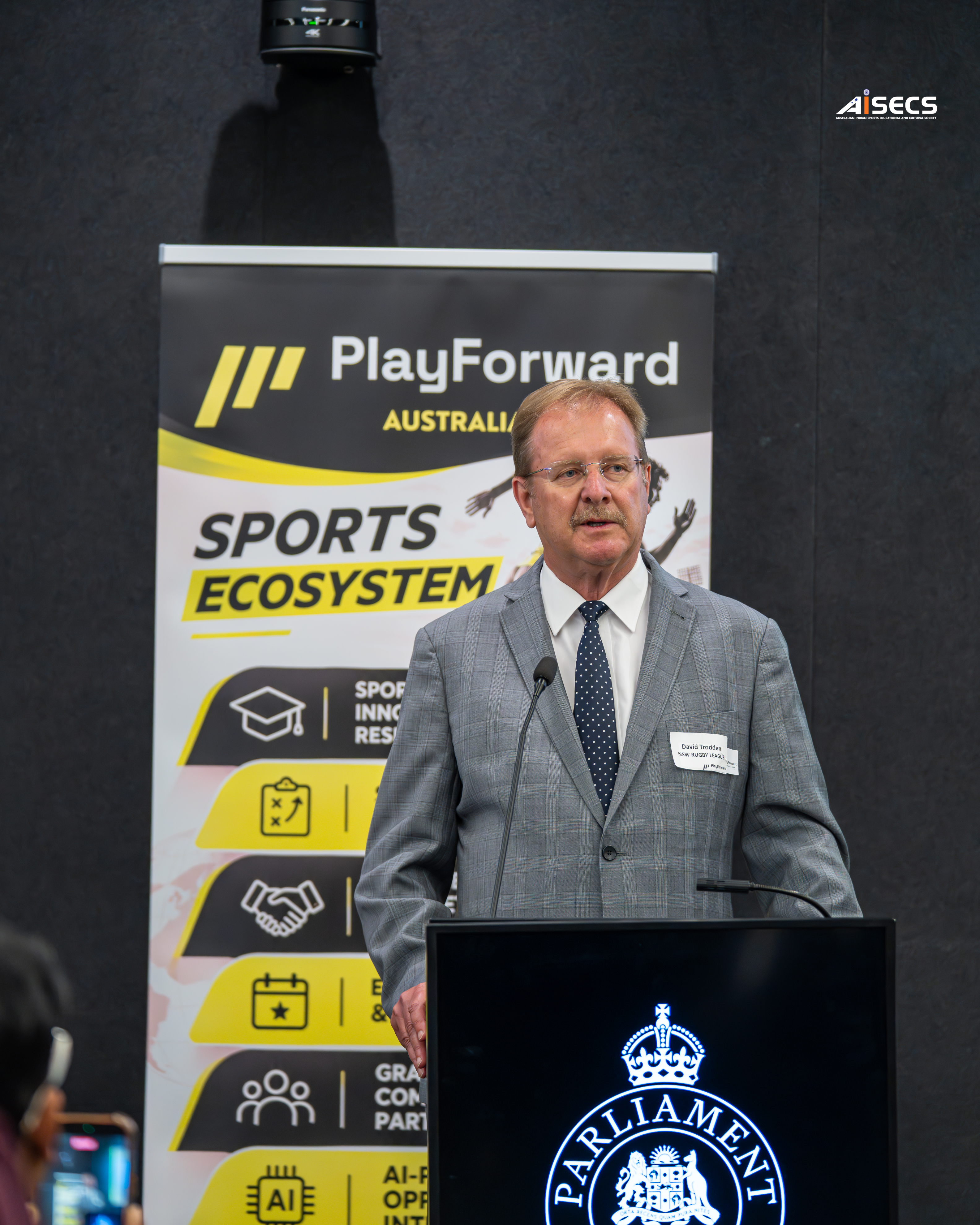
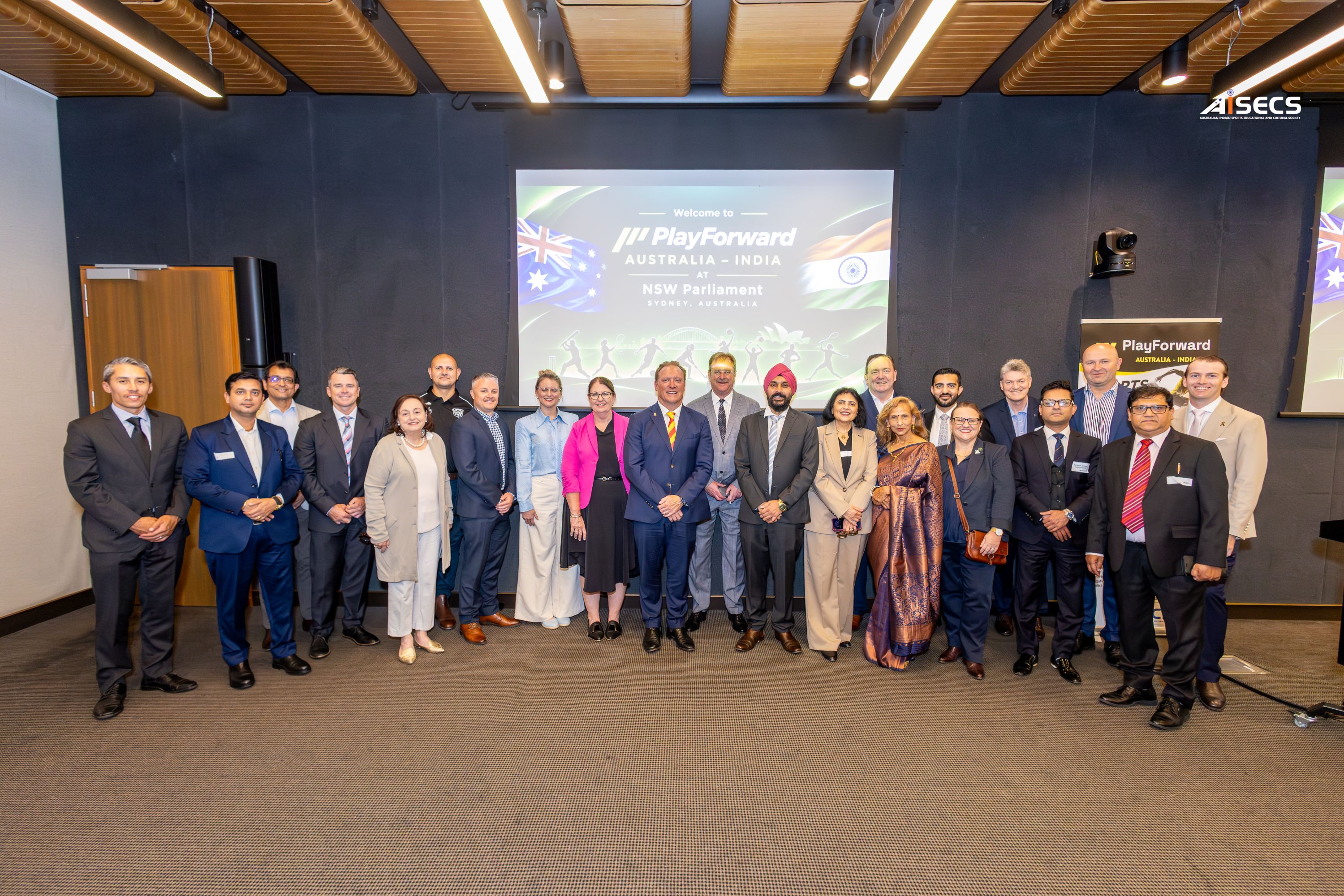
For PlayForward Australia–India, this is an important area of work because it connects several priorities in the bilateral sports roadmap: physical education, coach development, sports science, athlete wellbeing, injury prevention, Para-sport, women's participation and university collaboration.
PlayForward believes the next stage of Australia–India sporting cooperation should include the people who work closest to athletes and students.
That means more than professional teams and major sporting organisations. It means physical education teachers, school sport coordinators, university academics, sports scientists, sports psychologists, physiotherapists, sports doctors, rehabilitation specialists, strength and conditioning coaches, community sport leaders and inclusive sport practitioners.
Their experience is essential to understanding what works in real environments.
An invitation to educators and sports professionals
Are you a physical education teacher, sports educator, coach, researcher or university academic in India or Australia?
Do you work in sports psychology, athlete wellbeing, injury prevention, rehabilitation, sports science, inclusive physical education or community sport?
PlayForward invites educators and professionals to become part of its growing Australia–India sports collaboration ecosystem.
We want to hear from people who are:
- Developing innovative physical education programmes.
- Researching athlete mental health and wellbeing.
- Improving injury prevention and rehabilitation.
- Training the next generation of coaches and educators.
- Expanding opportunities for girls and women in sport.
- Building inclusive pathways for athletes with disability.
- Connecting universities, schools, sporting organisations and communities.
- Interested in sharing knowledge and exploring genuine Australia–India collaboration.
The aim is to help make expertise, research, opportunities and practical knowledge more visible across both countries.
PlayForward is an independent platform. It is not a government programme, does not represent DFAT or any sporting authority, and does not promise funding or partnerships. Its purpose is to build a credible, source-led picture of the ecosystem and help people discover where meaningful connections may be possible.
Because the future of sport is not built only by those who win medals. It is also built by the educators who teach movement, the coaches who develop confidence, the researchers who improve performance, and the professionals who help athletes stay healthy.
The question is not simply how India and Australia can produce better athletes. It is how they can build better sporting environments for the next generation.
Join the PlayForward conversation. Help shape the future of physical education, athlete wellbeing and sports science across Australia and India.
- UNESCO: SAPA Impact Framework for India, 2026
- 2022 India Physical Activity Report Card
- WHO: India (Jaipur) GSHS 2022
- AIS: Mental Health Audit 2022
- AIHW: Sports Injury in Australia, 2026
- India sports injury research bibliometric analysis
- ABS: Children's physical activity, screen time and sleep
PlayForward articles distinguish official sources from PlayForward explanation. Nothing here is government policy.